Hot Dog Recipes That Feel Like Fair Food at Home

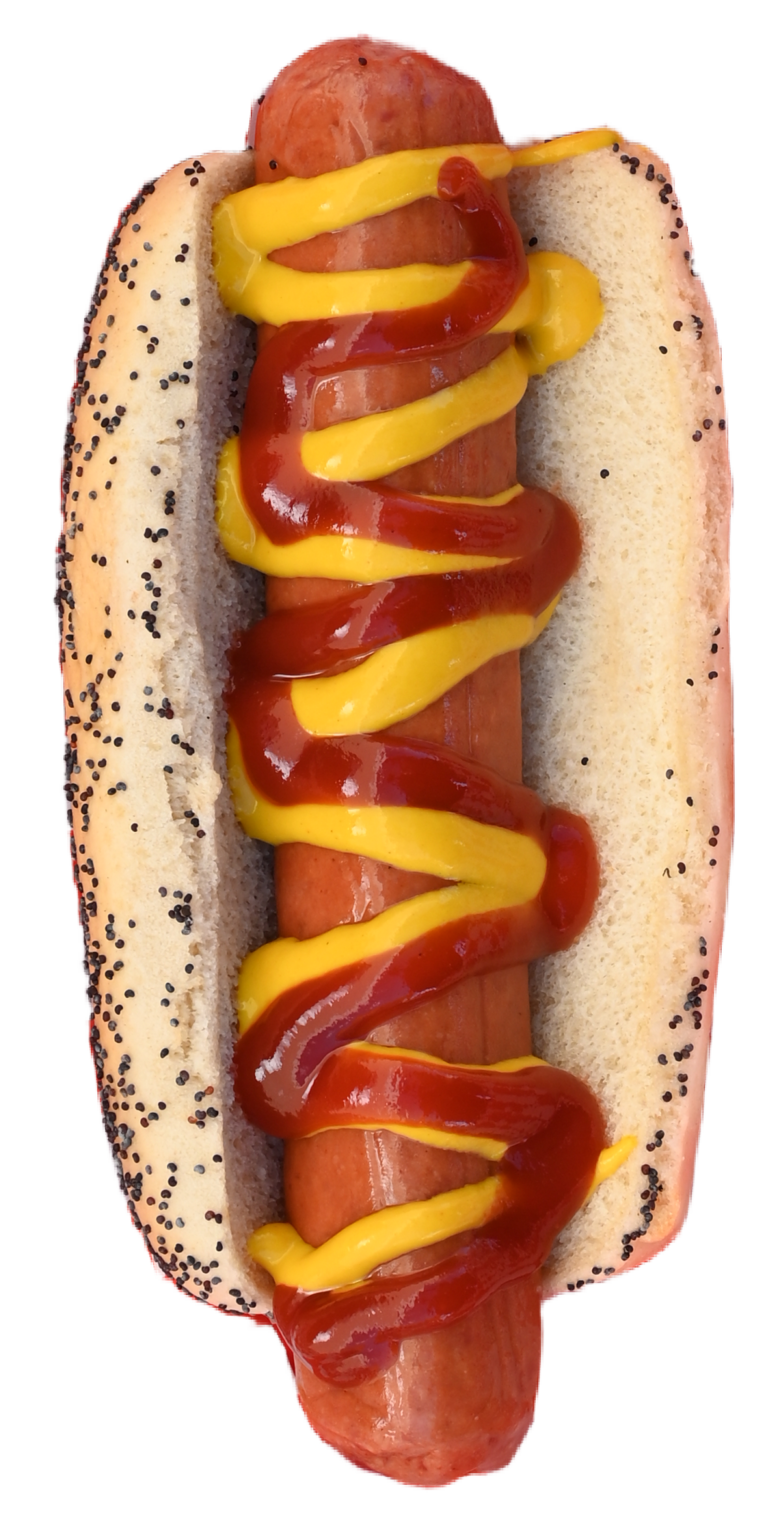

There is a particular kind of hunger that shows up around fair food. It is not delicate, and it is not interested in restraint. It wants crisp batter, smoky meat, mustard with a little sting, onions cooked just long enough to sweeten, and buns that can barely contain the mess. A good hot dog at a county fair is rarely complicated, but it is deeply satisfying because every element is pushed a little harder than usual. The griddle runs hotter. The toppings go on thicker. The aromas of frying oil, grilled sausage, and toasted bread meet in the air before you ever reach the stand.
You can get remarkably close to that feeling at home, even without a midway or a Ferris wheel in the background. The trick is not to chase novelty. It is to understand what fair-style hot dogs do well, then recreate those qualities with intention. That usually means stronger contrast, more texture, and less caution with seasoning. A plain boiled frank in a soft bun has its place, but it will never taste like fair food. A hot dog that snaps when you bite it, sits in a warm toasted bun, and gets topped with something crunchy, spicy, tangy, or rich absolutely can.
The home cook also has one advantage the fair stand does not. You can tune the details to your taste. If you want deeper browning, you can give the dogs a few more minutes. If you love mustard more than relish, nobody is rationing the squeeze bottle. If your ideal fair bite involves a little smoke and a little sweetness, you can build it instead of settling for what is under the warming lamp.
What gives a hot dog that fair-food feeling
Most people assume the difference is the setting. The setting helps, but it is not the main reason. Fair food succeeds because it leans hard into contrast. Think about what happens when you take a bite of a really good hot dog from a busy stand. First, there is the casing, hot and taut, sometimes blistered if it came off a grill or flattop. Then the bun gives way, soft inside but often lightly toasted at the edges. Then the toppings hit, maybe chopped onions for crunch, chili for richness, pickled peppers for acidity, or cheese sauce for excess in the best possible sense.
At home, it helps to stop treating the hot dog as a shortcut dinner and start treating it like a composed dish. The sausage matters. So does the cooking method. Beef franks usually deliver the boldest flavor, especially if you are after that unmistakable stand-style profile. Natural casings give the best snap, though skinless franks are easier to find and still work well if you brown them aggressively. Bun choice matters more than people think too. A steamed supermarket bun can disappear under wet toppings. A sturdier split-top bun or potato roll holds up better and feels more substantial.
Heat management is where many home versions fall short. If the dog is merely warmed through, it tastes flat. You want active browning. On a grill, that means a medium to medium-high fire and enough time to mark the surface without splitting the casing open. On a skillet or griddle, it means patience. Let the exterior pick up real color. That browning brings the hot dog closer to sausage territory, which is exactly where fair food often lives.
Start with the right foundation
A hot dog recipe can only rise as high as its base ingredients. You do not need artisanal butcher-shop franks to make something craveable, but you do need to choose with purpose. Beef franks tend to bring that old-school boardwalk and fair flavor. Pork-beef blends are often a little softer and milder. Jumbo dogs work well when you want the bun-to-meat ratio to feel dramatic. Standard-size franks are easier to manage if you are making several styles in one meal.
Buns deserve the same attention. Soft white buns are classic, but they can feel flimsy if you pile on chili or slaw. A top-split bun offers better structure and toasts beautifully. Brioche buns can be delicious, though they read more gourmet than fairground. If the goal is nostalgic fair food, I would steer toward potato rolls or standard enriched buns and focus on getting them warm, slightly crisp, and butter-brushed if the toppings are simple.
Condiments need freshness. This is one of those small details that changes the whole result. A mustard bottle that has been open for six months tastes dull. Onions chopped an hour ahead lose some sharpness and crunch. Pickles that have sat uncovered in the refrigerator for a day taste tired. Fair food may look casual, but the best stands move product quickly, which means your toppings are usually lively. You can mimic that freshness at home by prepping only what you need.
The skillet method that rarely disappoints
If I had to choose one method for the broadest range of home kitchens, I would choose a heavy skillet or stovetop griddle. It gives you control, works year-round, and creates the kind of browning most people actually want from a fair-style hot dog. Start the pan over medium heat and let it preheat properly. Add a thin film of oil or a small knob of butter, then set down the franks and let them cook without fussing too much. Roll them every minute or so until the skins blister lightly and the color deepens on all sides. This usually takes six to eight minutes for refrigerated franks, a little longer for large ones.
At the same time, toast the buns. If the pan is big enough, open them and place them cut side down in a cleared corner with a touch of butter. If not, use a second pan. A toasted bun is not optional if you want that fair-food feel. It brings aroma, texture, and enough structure to keep sauces from soaking through instantly.
Once the hot dogs are browned and the buns are toasted, the rest becomes style. A simple dog with yellow mustard and onions already feels more compelling when the sausage has real color and the bun is warm. Add one or two high-impact toppings and you are in business.
Griddled onion mustard dogs
If you want the fastest route to fair flavor, make griddled onion mustard dogs. They rely on pantry ingredients and reward good technique more than elaborate prep. Slice one large onion thin and cook it slowly in a skillet with a little oil and a pinch of salt until it turns glossy and lightly golden. You do not need full caramelization, which can take close to forty minutes. Fifteen to twenty minutes is enough to soften the bite and coax out sweetness while keeping some structure.
Cook the hot dogs in the same pan after the onions come out, so the franks pick up those savory browned bits. Pile the onions onto toasted buns, nestle in the dogs, then finish with a generous stripe of yellow mustard and, if you like, a touch of deli mustard for depth. The result tastes almost exactly like something you would buy from a stand outside an arena or midway entrance.
What makes this version work is balance. The onions bring sweetness without turning jammy. The mustard cuts through the richness. The hot dog stays at the center. This is a useful benchmark recipe because if you cannot make this one delicious, more complicated toppings will not save you.
Chili cheese dogs that hold together
Chili cheese dogs are fair food in the loudest, happiest sense, but they can go wrong quickly at home. The usual problem is texture. A loose bowl-style chili makes the bun collapse before you finish eating. For hot dogs, you want a thicker, finer chili that clings rather than pools. Ground beef cooked with onion, chili powder, paprika, a bit of cumin, tomato paste, and enough water to simmer into a spoonable sauce works well. Some people like a very smooth chili with no beans and a fine crumble. That style fits hot dogs best because it spreads evenly and does not slide off.
Spoon the chili over a browned hot dog in a toasted bun, then add shredded cheddar or a warm cheese sauce if you want the full fair-stand effect. Finely diced raw onion on top adds needed freshness. Jalapenos work too, especially if the chili is on the mild side.
The trade-off here is obvious. Chili cheese dogs are glorious, but they are messy and filling. They are best when that is the whole point of the meal. I would not pair them with heavily dressed sides. A pile of kettle chips or a tart slaw is enough. Also, keep the chili hot and the cheese ready before the dogs come off the pan. If you make people wait while the buns steam under a wet topping, the texture suffers.
Corn dogs, done at home without frustration
A corn dog is one of the clearest examples of food that feels special because most people do not bother making it at home. That is understandable. Deep frying sounds fussy, and batter can slide right off the hot dog if the setup is wrong. But a good homemade corn dog, eaten while the crust is still audibly crisp, is hard to beat.
The crucial step is drying the hot dogs thoroughly before they meet the batter. Pat them with paper towels, then dust them lightly with flour or cornstarch. That thin dry coat gives the batter something to cling to. Skewer the dogs securely, chill them for a short while if you have time, and keep the batter cold and thick. If it is too thin, gravity wins and you end up with bald spots.
For the batter, cornmeal should be present but not dominant. Too much cornmeal gives you a gritty shell that can taste dry. A blend of flour and medium-grind cornmeal produces a better bite. A little sugar is not just tradition, it helps create that faintly sweet fair flavor people expect. Fry at a steady moderate temperature, usually around 350 to 365 degrees Fahrenheit, until deep golden. Too cool and the corn dog turns greasy. Too hot and the outside overbrowns before the inside is heated through.
The best part of making corn dogs at home is that you can stop frying at the exact moment they are ready and eat them immediately. That is the point where the coating is crisp, the inside is steamy, and the whole thing tastes like a fair booth at peak service, not ten minutes into a heat lamp.
A crisp list of toppings that actually earn their place
Most hot dog toppings are familiar, but only a few truly improve a fair-style dog without burying it.
- Yellow mustard, for brightness and that unmistakable stand-style taste.
- Griddled onions, for sweetness and soft texture with a little edge.
- Thick hot dog chili, for richness that clings instead of drips.
- Pickled jalapenos, for heat and acidity that cut through fat.
- Fine slaw, for crunch and a cool contrast on smoky or spicy dogs.
This is not a case for excess. A fair-style hot dog should taste abundant, not confused. Two toppings and a condiment often beat a stack of https://maps.app.goo.gl/sQc4uJqEpXEU3Gav6 five.
The slaw dog that surprises people
Slaw dogs do not always get the same attention as chili dogs, but they deserve more respect. A cool, sharp slaw against a hot browned frank creates the kind of contrast that fair food does so well. The key is making the slaw fine enough to sit neatly on the dog and dressing it lightly enough that it stays crisp. Thinly shredded cabbage, a little grated carrot, cider vinegar, a spoonful of mayo, sugar, celery seed, salt, and black pepper will get you there. It should taste brighter than a side-dish coleslaw because it is playing against a rich sausage and bun.
This style works especially well with grilled hot dogs that have some smoke on them. Add a little mustard beneath the dog and a spoonful of slaw over the top. If you like heat, a few drops of hot sauce wake everything up. The finished dog is easier to eat than a chili version and feels a little fresher, which matters if you are serving hot dogs outdoors in warm weather.
There is also a practical advantage. Slaw can be made ahead, and it improves after a short rest. Just do not let it sit all day. After several hours, the cabbage softens too much and loses the crunchy energy that makes the recipe work.
Bacon-wrapped fairground style, with a note of restraint
Bacon-wrapped hot dogs can go from thrilling to heavy in a hurry, but when handled properly they bring exactly the kind of indulgence people want from fair-inspired food. Wrap each dog with a slice of thin bacon, not thick-cut. Thick bacon takes too long to crisp and usually leaves the hot dog overcooked by the time the pork is ready. Start them in a skillet over medium heat and turn frequently so the bacon renders evenly. Once crisp, move the dogs briefly to a hotter area of the pan or grill to deepen the color.
These pair well with sauteed peppers and onions, spicy mustard, or a modest amount of cheese sauce. The word modest matters. Bacon is already salty and rich. If you pile on too much dairy and too many sweet sauces, the whole thing goes slack. Fair food should feel bold, not muddy.
A useful trick is to finish the bacon-wrapped dogs in the buns for thirty seconds on the griddle. That little bit of contact warms the bread and helps it hug the dog rather than springing open. It is a small touch, but it improves the eating experience.
The details that make the difference
There are a few habits that separate a good homemade hot dog from one that actually scratches the fair-food itch.
First, warm your toppings thoughtfully. Chili should be hot. Cheese sauce should be fluid, not pasty. Onions should be either properly browned or intentionally crisp and raw. Lukewarm toppings flatten everything.
Second, control moisture. Pickles, relish, and slaw all carry water. If the bun gets saturated immediately, the whole dog feels cafeteria-soft rather than stand-fresh. Toasting helps, but so does draining wet toppings and using them with a lighter hand.
Third, serve fast. A fair-style hot dog is not a plated entrée that waits under a lamp while everyone gathers at the table. Build it and eat it. That timing is part of the experience.
Fourth, use enough salt in the supporting elements. Hot dogs themselves are seasoned, but onions, slaw, and chili need their own seasoning or they taste bland beside the sausage. I have seen many home chili dogs fail because the chili was fine on its own but underseasoned in context.
If you want the full at-home fair effect
The food matters most, but atmosphere helps. Put the condiments on the table in squeeze bottles if you have them. Serve hot dogs in paper trays or wrapped loosely in parchment. Keep napkins close. If you are cooking for a group, do one style really well instead of setting out ten random toppings and hoping people build something coherent.
A simple setup works best:
- Brown or grill the hot dogs until the skins blister.
- Toast the buns right before serving.
- Offer one signature topping combination and one lighter alternative.
- Keep condiments cold and sauces hot.
- Serve immediately, while texture is still on your side.
That kind of discipline may sound fussy for a hot dog, but it pays off. The meal feels intentional rather than improvised.
A few combinations worth repeating
Once you understand the structure, you can improvise without losing the fair-food spirit. A grilled beef hot dog with mustard, griddled onions, and peppers tastes classic and crowd-pleasing. A chili cheese dog with raw onion and pickled jalapenos leans fully indulgent. A slaw dog with mustard and a few shakes of hot sauce feels bright and old-school. A corn dog with spicy mustard and a little honey on the side lands somewhere between nostalgic and playful.
What ties these versions together is not a single topping. It is the way they respect the hot dog as the center of the dish. Fair food does not apologize for being direct. It aims for flavor you can smell from a distance and remember the next day. That same standard works at home.
When people say they want food that feels like summer, they are often talking about texture and immediacy more than season. They want something hot off the griddle, a little messy, a little loud, and deeply familiar. A well-made hot dog delivers all of that with less effort than most cookout food and with more personality than it usually gets credit for.
Treat it seriously, toast the bun, build in contrast, and serve it the second it is ready. That is how a simple hot dog starts tasting like it came from the best stand at the fair.
Under Construction Hot Dogs
1225 W U.S. Hwy 50, Pueblo, CO 81008
FAQ About hot dog
What are different types of hotdogs?
Under Construction Hot Dogs offers a classic all-beef hot dog, a quarter-pound Jumbo Dog, a Chili Dog, and a Chicago Dog, along with brats and a Spicy Link.
What does a chili dog have on it?
Our Chili Dog pairs a Vienna all-beef hot dog with chili, shredded cheddar cheese, and finely diced onions.
What is in a traditional Chicago dog?
Our Chicago Dog comes on a steamed poppy seed bun with yellow mustard, bright green relish, onions, tomato wedges, a pickle spear, sport peppers, and celery salt.